Baccarat Variations That Reveal The Diversity Of Casino Table Rules
22 August 2026 | 257
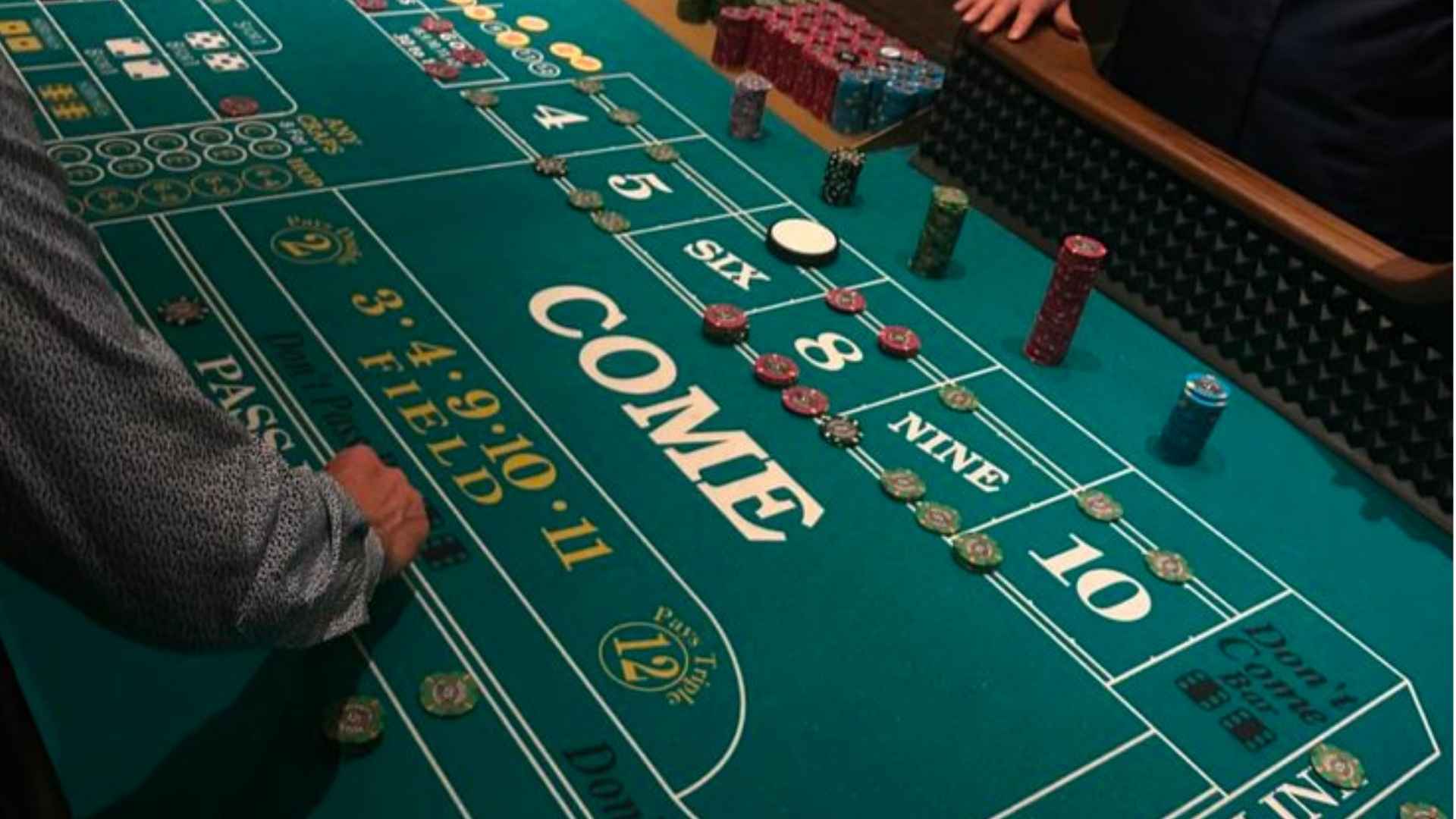
The global casino landscape showcases an incredible variety of table rules, and nowhere is this more evident than in the evolution of baccarat. While many casual players view it as a singular game of pure chance, different regional adaptations have introduced distinct structural modifications over the decades. Exploring these diverse frameworks reveals how subtle adjustments to card handling, banking roles, and player choices can completely transform the overall table dynamic.
Punto Banco The Fixed Regulatory System
Punto Banco stands as the most widespread version of baccarat found across modern digital and physical casino floors. Under this specific rule set, the house banks the action entirely, and all card distributions follow strict, predetermined drawing regulations. Players simply predict the winning side without making any tactical choices during the active deal.
This structured simplicity eliminates complex decision-making, ensuring a high-speed environment that remains highly accessible to beginners. Modern gaming enthusiasts can easily monitor these automated outcomes on their portable devices by accessing a secure m88 login mobile platform. The fixed nature of this version makes it an excellent standard for analyzing foundational casino mathematical house edges.
Chemin de Fer Active Participation and Personal Risk
Chemin de Fer represents a historic French variation that delivers a completely different experience by requiring direct participant engagement. Unlike standard casino-banked variations, the players themselves take turns acting as the banker and manually financing the table wagers. Furthermore, the cards are dealt face-down, granting the active participant the option to stand or draw on specific hand totals.
This unique inclusion of personal choice introduces a psychological element of strategy and skill that is completely absent from modern automated games. Because it fosters a highly interactive social environment, it remains a favorite choice in traditional European gaming salons. The shifting responsibility of the bankroll creates a fluctuating table pressure that depends heavily on the choices of those around the felt.
Baccarat Banque Multi Hand Dealer Management
Baccarat Banque is another classic European variant that shares similarities with Chemin de Fer but utilizes a much more rigid banking setup. In this configuration, the position of the banker is put up for auction or designated to the participant willing to risk the highest amount of capital. Additionally, the dealer distributes cards to two distinct sides of the table simultaneously, allowing multiple participants to play separate hands against the house.
The chosen banker retains their position continuously until their selected bankroll is entirely exhausted or they choose to step down. This extended setup allows for long-term strategic planning and appeals primarily to high rollers who enjoy managing a significant table presence. It showcases how table design can be structurally modified to accommodate broader competitive fields within the same round.
Super 6 Commission Modifications and Payout Shifts
Super 6, often referred to as No Commission Baccarat, introduces a compelling financial twist to the standard rules. In traditional games, the casino collects a five percent commission on all winning banker wagers to maintain its theoretical advantage. This variation eliminates that administrative fee entirely, offering even money payouts on almost all successful banker bets.
However, a specific regulatory catch dictates that if the banker wins with a point total of exactly six, the payout drops to 50 percent of the original wager. This minor adjustment radically alters the internal volatility of the game and introduces fresh dynamics to standard bankroll management strategies. It serves as a prime example of how casinos manipulate payout structures to streamline gameplay while preserving the underlying house edge.